Our Blog

Your Five-Step Guide to Preventing Tooth Decay While Wearing Braces

April 26th, 2013
If you’re wearing braces, then you know they are working hard to straighten your teeth. However, those hard-working braces are also preventing you from easily cleaning your teeth. It is essential that you put some extra attention into preventing tooth decay while wearing your braces. When your braces are finally removed by Dr. Daniel Ma, you want a beautiful, white smile, not decayed or stained teeth. Here, we’ve listed the five best ways to ensure you have the smile you’ve always dreamed of once your braces are gone.

USE A SPECIAL TOOTHBRUSH

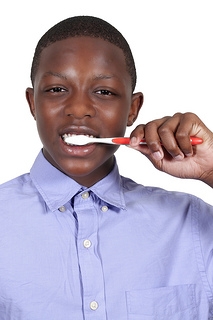
A regular toothbrush just doesn’t cut it when you are wearing braces. You also need to use an interdental toothbrush so that you can effectively clean behind the braces. According to HealthGuidance.org, this type of brush has bristles that are shaped like a Christmas tree that can remove food residue in the braces and on the teeth. We also recommend using a WaterPik, with its highly pressurized pulsating water, to help get all of those hard-to-reach places.

BRUSH AFTER EVERY MEAL

Since braces block food from naturally escaping your teeth after eating, it’s important that you take the time to brush and floss after every meal. The less time food has to sit on your teeth, the less likely it is to cause decay. This may seem like an inconvenience, but trust us, when you get your braces off, you will be very glad you brushed after every meal.

DON’T FORGET THE MOUTH RINSE

Even after properly brushing and flossing, there are probably some food particles in your braces. A fluoride mouth rinse is the best way to ensure that every bit of food is removed after meals. If you do not have a mouth rinse available, we suggest using water — it’s better than nothing.

AVOID SWEETS

Prevention is definitely the best medicine when it comes to avoiding tooth decay. If you can nix decay-causing sugary foods from the outset, we promise you’ll spend less time trying to treat problems in the future.

GET REGULAR CHECKUPS

Visit your dentist regularly while you are wearing braces. Our office recommends a thorough cleaning every three to six months. Let our Vancouver, BC office know if you have questions about your oral health while in braces - our entire team at our office is here to make sure your teeth are as beautifully straight as they are healthy!


The Birds at Southeast False Creek Olympic Plaza

April 22nd, 2013

Dr. Daniel Ma and his family took a trip to the Southeast False Creek Olympic Plaza and got to view the art installation called The Birds created by Vancouver, B.C. artist Myfanwy MacLeod. The Birds were installed after the 2010 Winter Olympics and is part of Vancouver's Olympic and Paralympic Public Art Program. There are 2 sparrows which tower over visitors at 18 feet tall each!

Listen to the artist describe her art installation here:

Dr. Ma and his family had a great time visiting these sculptures.

Make Every Day Earth Day

April 19th, 2013

During the early days of the environmental awareness movement, those who demonstrated against pollution, toxic chemicals, and the general public health were known as hippies. The early 1970s were a time of change, and assertions that we needed to pay more attention to the Earth's atmosphere were generally dismissed. But within a couple decades, it had become clear that the previous generation was right; the citizens of the world needed to become more environmentally conscious.

Many people feel that they can't make a difference if they don't do something big. But caring for the environment doesn't have to be an all-or-nothing concept. In fact, the little things you do can add up to make a great impact, especially in our community. Here are a few ways you can help the environment on Earth Day, April 22nd and all year around.

Four Small Ways to be Environmentally Friendly

  • Recycle Your Textiles. Nearly 21 million tons of textiles are added to American landfills each year, according to the Environmental Protection Agency. Donating your unwanted clothing to a secondhand store or an organization that repurposes fabric helps cut down on solid waste and conserves natural resources.
  • Reduce Usage of Disposables. Plastic bottles and bags, disposable diapers and other things we can use and toss out are convenient, but they're not necessary. Simply choosing to replace one of type of disposable with a reusable product can help you cut down on waste that has a large negative impact on our environment.
  • Conserve Water. If everyone in the United States turned off the water while brushing their teeth, more than 1.5 million gallons of water could be conserved. Turn the water on long enough to wet your toothbrush for brushing and rinsing, and then immediately turn the water off again.
  • Turn Off the Lights. Flip the light switch to "Off" if you're going to leave a particular room for 15 minutes or more. This will conserve energy on incandescent light bulbs and cut down on cooling costs.

It's not necessary to be an activist or install solar panels all over your home to help the environment. Although you can do these things, the little everyday measures make a big difference in helping to conserve energy and the environment, while reducing your carbon footprint. Our team at our office wants to remind you to celebrate Earth Day and help the environment, knowing that it will benefit your and your children's generation.

When is the Best Time to Floss?

April 12th, 2013

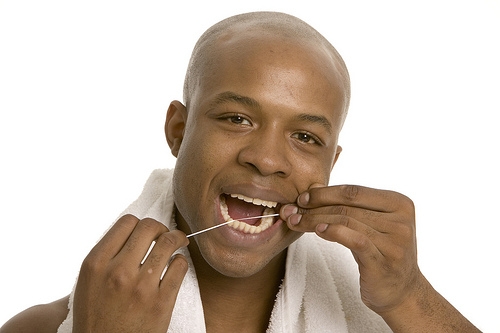
At our orthodontic office, we prefer our patients to practice good oral hygiene between office visits. Part of that process includes flossing, which Dr. Daniel Ma will tell you, is the process of cleaning between the teeth to remove food and debris from the areas that are hard to reach with a toothbrush. When food is allowed to remain between the teeth, it provides a breeding ground for bacteria, which can cause periodontal disease.

Should You Floss Before or After Brushing?

According to the American Dental Association, you can floss either before or after brushing, according to your own preference. By flossing first, you can brush away dislodged food debris afterward. On the other hand, brushing first allows you to loosen plaque between the teeth, making it easier to floss more effectively.

Whichever you choose, the most important goal is to floss thoroughly. That means using a fresh strand of dental floss each day, and carefully pulling it back and forth between all of the teeth. Do not skip flossing because your teeth look or feel clean.

When to Floss

Unlike brushing, you need only floss between your teeth once per day. Although you may choose to do it in the morning or afternoon, many prefer to floss at night to prevent food and debris from remaining in the crevices of the teeth overnight. This could prevent the build-up of plaque too, which is a cause of tooth decay.

Help with Flossing

If you have questions about your flossing technique or what type of floss is best for your teeth, contact our office. The staff will be more than happy to assist you in perfecting your home hygiene regimen. In most cases, you can choose between interdental cleaning picks or flexible floss strands to perform your daily flossing routine. If you have permanent oral appliances or restorations, be sure to follow the flossing instructions provided to you, and contact our office with any questions.

Back to Top